Mindful Painting for Anxiety and Meniere's Disease: How Art Became My Anchor
When the World Won't Stop Spinning
Meniere's Disease is hard to describe to someone who hasn't experienced it. It's not just dizziness. It's a sudden, violent loss of equilibrium, the room spinning without warning, hearing dropping out, a roaring in the ears that can last for hours. And then, when the episode passes, the exhaustion and the anxiety of waiting for the next one.
I was diagnosed with Meniere's Disease after years of unexplained vertigo attacks. And like many people living with a chronic vestibular condition, I found that the anxiety of the illness was almost as debilitating as the illness itself. My nervous system was constantly braced for impact.
I needed something to hold onto. I found it in painting.
Why Painting Works When Nothing Else Does
I didn't come to painting as an artist looking for a new medium. I came to it as a person in survival mode, looking for something, anything, that could help my body feel safe again.
What I discovered, and what neuroscience has since helped me understand, is that slow, repetitive hand movements are one of the most direct pathways to nervous system regulation. When you move a brush across a canvas with intention and breath, you activate the parasympathetic nervous system, the branch responsible for rest, digestion, and recovery.
For someone with Meniere's Disease, whose nervous system is chronically dysregulated, this is not a small thing. It's a lifeline.
The Birth of MetaPainting
Over time, my painting practice became more structured. I began pairing each brushstroke with a breath. I developed guided prompts that removed the need for creative decision-making, because when you're anxious or in recovery, even small decisions feel overwhelming.
I called this practice MetaPainting. The "meta" refers to the layer of intention beneath the painting itself, the awareness, the breath, the presence. The painting is the vehicle. The destination is calm.
The mantra that emerged naturally: Brush. Breathe. Repeat.
What the Research Says
The connection between creative activity and anxiety relief is well-documented. Studies have shown that art-making reduces cortisol levels, activates the brain's reward system, and promotes a state of focused calm similar to meditation. For people with chronic illness, creative practices have been linked to improved mood, reduced pain perception, and greater sense of agency.
MetaPainting is designed to maximize these effects by combining:
- Slow, deliberate brushwork that anchors attention in the body
- Breath awareness paired with each stroke
- Guided prompts that eliminate decision fatigue
- Color and texture chosen for their calming or grounding qualities
You Don't Have to Be Sick to Benefit
MetaPainting was born from my experience with Meniere's Disease, but it's not only for people with chronic illness. Anxiety, burnout, grief, overwhelm, these are all states where the nervous system needs support, and where a gentle, guided creative practice can make a real difference.
If you've ever felt too wound up to relax, too scattered to focus, or too exhausted to do anything but scroll, MetaPainting was made for that moment.
Where to Begin
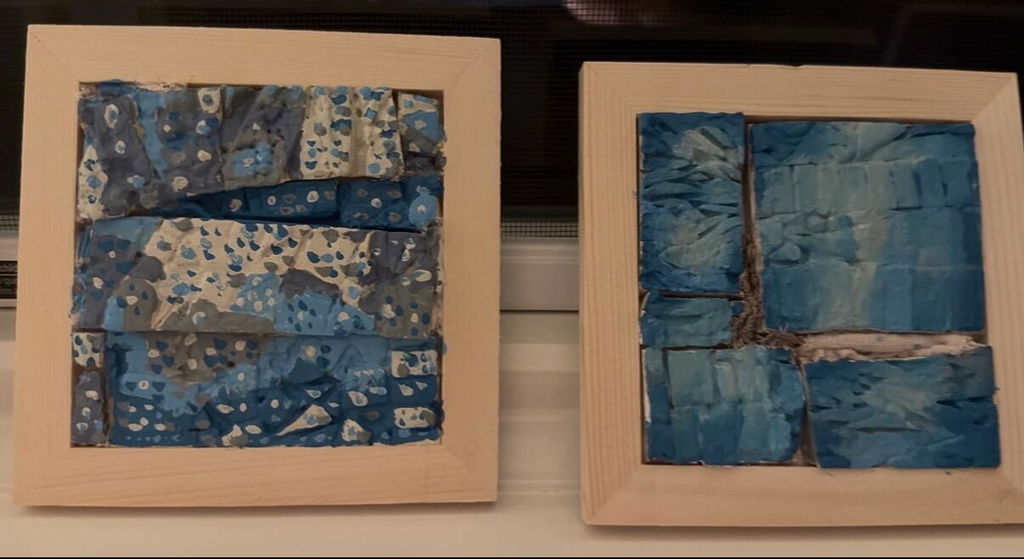
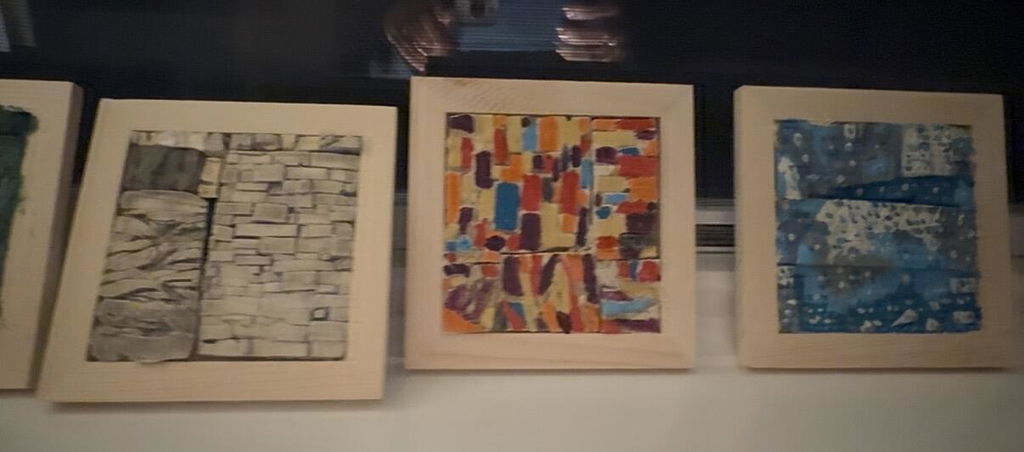
Each MetaPainting Kit is designed around a specific emotional or elemental theme, with guided prompts and everything you need to start immediately. A few that are particularly well-suited for anxiety and nervous system support:
- Calming Mindful Painting Kit (Water), fluid and deeply soothing, designed for moments of overwhelm
- Grounding Mindful Painting Kit (Earth), stabilizing and centering, ideal for anxiety and dissociation
- Find Your Balance Painting Kit, for when you feel pulled in too many directions at once
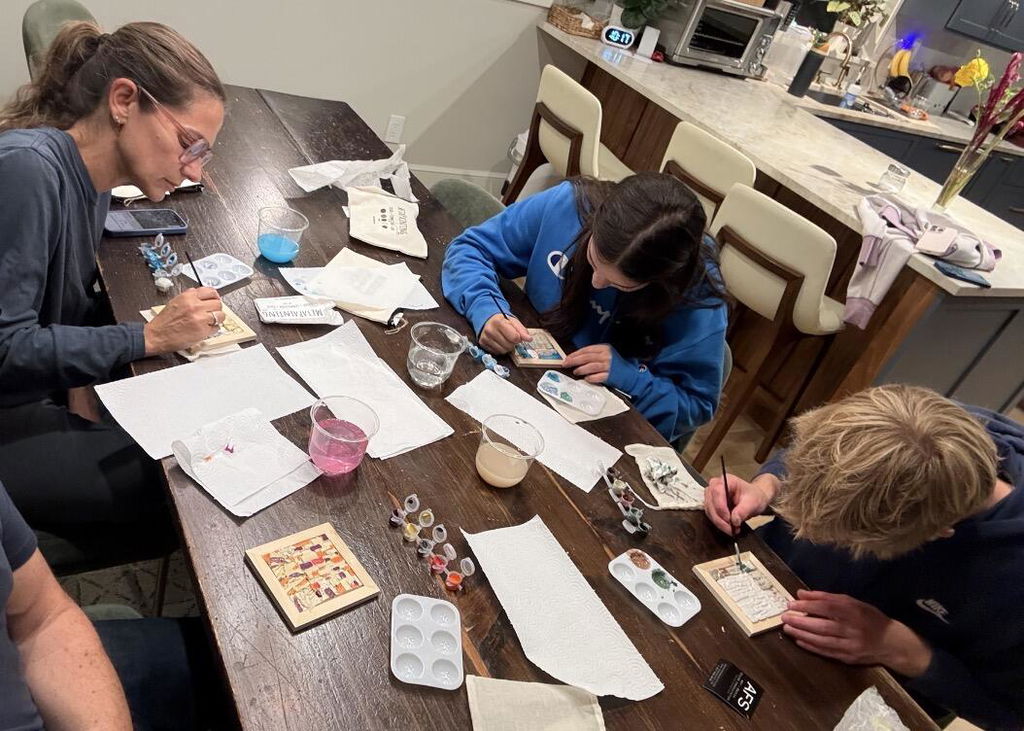
No art experience is needed. No special setup. Just a kit, a few minutes, and a willingness to slow down.
Brush. Breathe. Repeat.