What Is MetaPainting?
Color. Connection. Calm.
What Is MetaPainting?
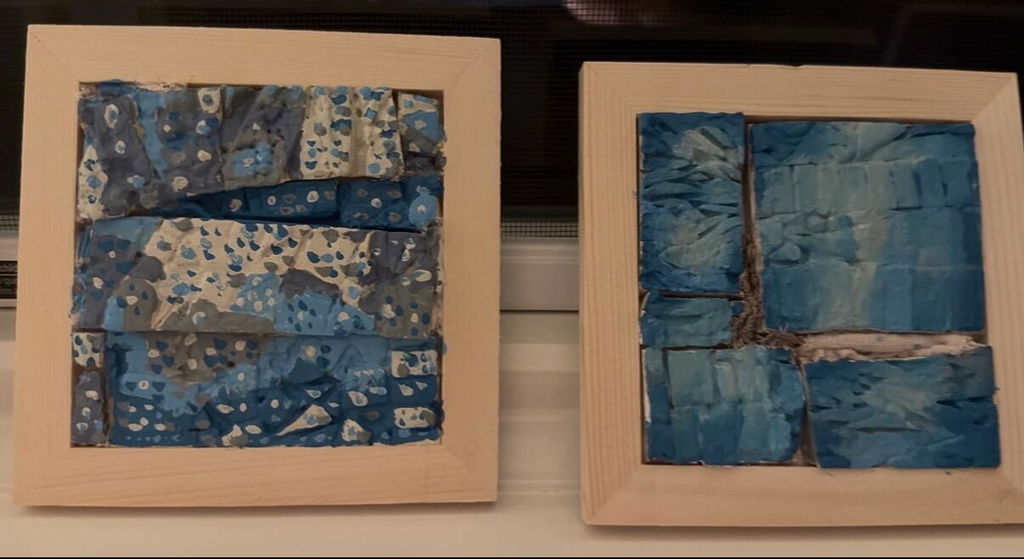
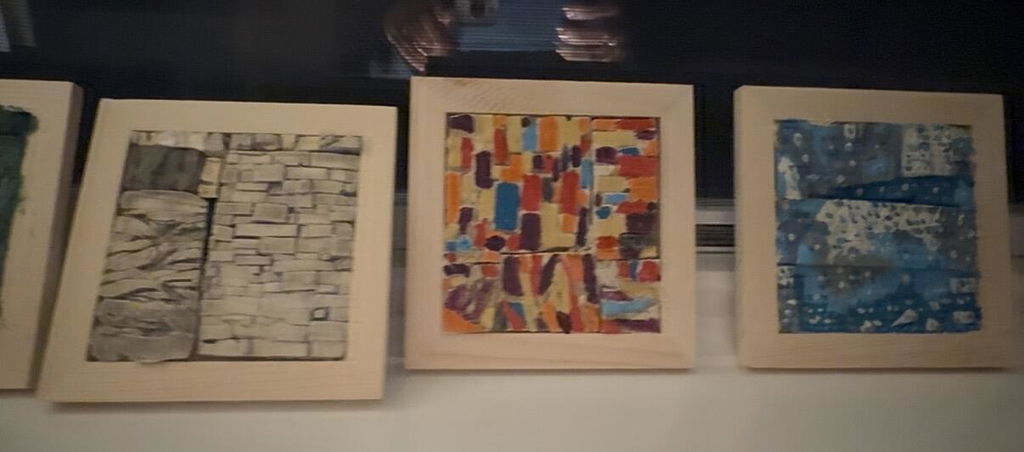
MetaPainting is a mindful painting practice built around a simple object: a hand-cast ceramic tile, small enough to hold in one hand, made to be painted slowly and without a plan. There is no picture to match, no right way to hold the brush, and no finished piece to compare against anyone else's. The tile itself is called a Mosaic Evolution Tile, or M.E.T., and it is the starting point for every MetaPainting kit and session.
If you have ever colored in a pattern, doodled in a meeting, or found yourself calmer after twenty minutes with a paintbrush and no agenda, you already understand the basic idea. MetaPainting gives that instinct a structure.
Where MetaPainting Came From
MetaPainting grew out of a personal need, not a product idea. It began as a way to manage the disorientation of Ménière's disease, a condition that upends the inner ear's sense of balance. In the middle of that, what helped was not more stimulation but something repetitive and grounding: a small, textured surface, a brush, and no pressure to make anything "good." That repetitive, hands-on process became a daily practice, and eventually became MetaPainting.
The tile mold itself came from a family idea years earlier, refined over two decades of mosaic-making into the ceramic form used today.
How It Works
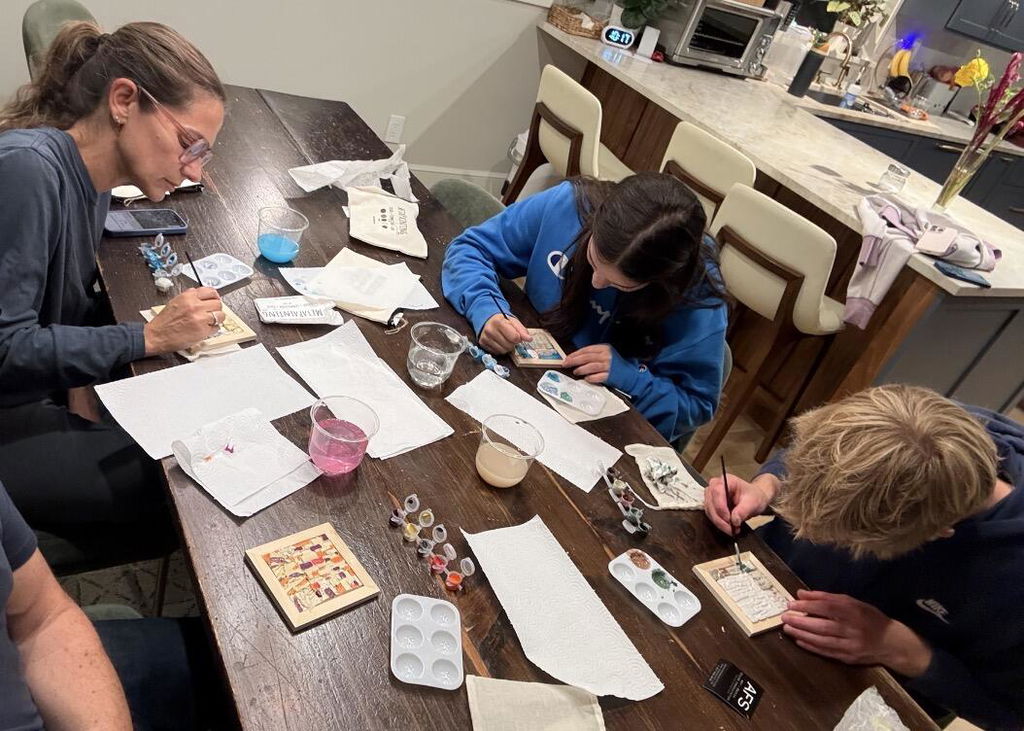
Each MetaPainting kit includes a hand-cast ceramic tile, a small palette of paints, and a brush. The practice itself has no fixed steps and no required outcome. Most people find a rhythm that looks something like this:
- Sit somewhere quiet for 10 to 20 minutes
- Choose colors by feel rather than by plan
- Paint the raised texture of the tile, letting color pool into the grooves
- Stop when it feels finished, not when a picture is complete
The tile's raised, uneven surface is part of the design. It gives the brush somewhere to catch and slow down, which keeps attention on the physical sensation of painting rather than on the pressure to produce something that looks a certain way.
The Idea Behind It: Why Slow, Repetitive Art Helps
There is a growing body of research on why hands-on, repetitive creative activity has a calming effect on the body, not just the mind. A few threads worth knowing:
Art-making has been shown to shift heart rate variability in ways associated with parasympathetic, or "rest and digest," nervous system activity, particularly with fluid, tactile materials like paint (Kaimal et al., NIH).
Rhythmic, repetitive movement, the kind involved in painting a textured tile again and again, has been linked to more coherent autonomic nervous system function, which is part of why trauma-informed and expressive arts therapists use repetitive art-making as a regulation tool (Angela Luna Therapy).
Mindfulness and art-making share a mechanism: both ask for sustained, non-judgmental attention on the present moment, and both interrupt the kind of rumination that drives anxiety. The difference is that art gives your hands something to do while your attention settles (Neurolaunch).
None of this makes MetaPainting a medical treatment, and it isn't positioned as one. It is a practice, in the same category as a walk, a stretch, or a few minutes of quiet with a cup of tea, except this one leaves you with a small painted tile at the end.
Who MetaPainting Is For
People come to MetaPainting for very different reasons. Some are looking for a way to manage stress and anxiety without adding another screen to their day. Some are marking a milestone, working through grief, or supporting a loved one through chronic illness. Others simply want a slower kind of creative hobby that does not require artistic skill or a finished masterpiece.
MetaPainting also works well as a shared practice: for teams, retreats, and small groups, sessions can be booked directly through MetaPainting Experiences.
Try It for Yourself
Every MetaPainting kit includes everything needed to start: a hand-cast ceramic tile, paints, and a brush, ready to open and use the same day it arrives.
References
- Kaimal, G. et al., "Emotional Response and Changes in Heart Rate Variability Following Art-Making With Three Different Art Materials," NIH/PMC: https://www.ncbi.nlm.nih.gov/pmc/articles/PMC6015920/
- Angela Luna Therapy, "Art Therapy for Trauma Healing and Nervous System Regulation": https://angelalunatherapy.com/nervous-system-regulation-expressive-art-therapy-trauma-healing/
- Neurolaunch, "Art Reduces Stress: Science-Backed Ways Creative Expression Calms Your Mind": https://neurolaunch.com/how-does-art-reduce-stress/